Compact Urban Chicken Run Build
Highlighted under: International Kitchen
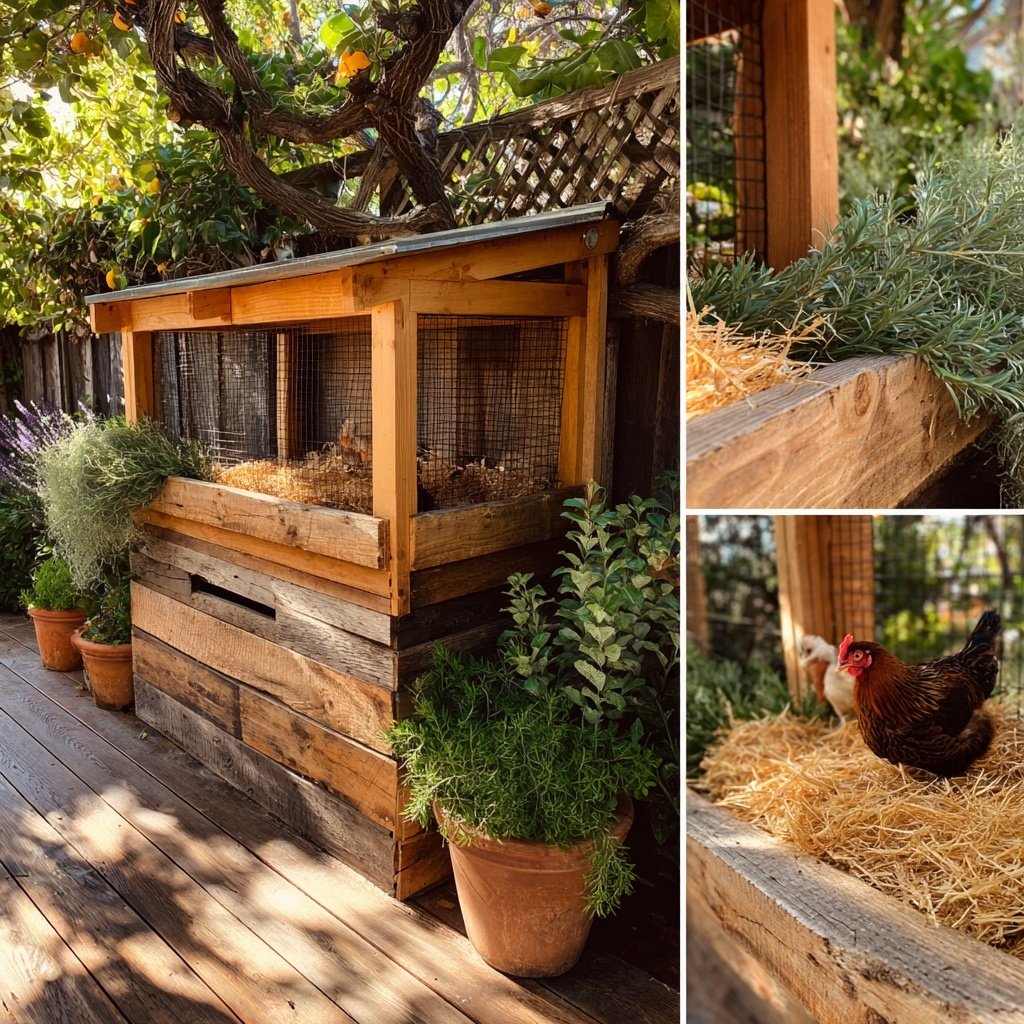
I couldn’t be more excited to share my journey of building a compact urban chicken run right in my backyard. Living in a city doesn't mean sacrificing the joy of raising chickens. We crafted this run to be efficient yet spacious enough for the chickens to thrive. The process involved careful planning, creating a sturdy base, and ensuring sufficient ventilation and light. Whether you're short on space or just starting out, this design provides an excellent solution for urban chicken-keeping.
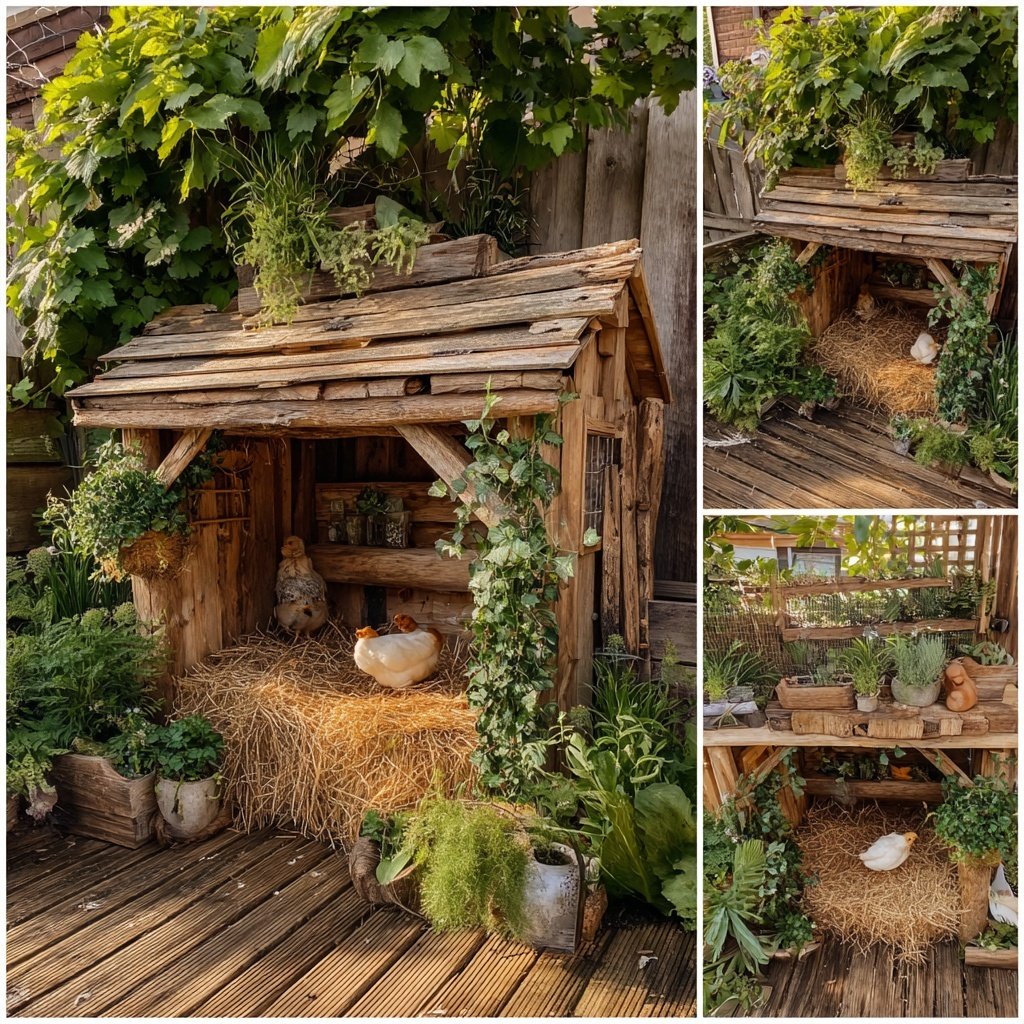
Building this compact chicken run was an adventure that I couldn't wait to embark on. Living in an urban setting posed unique challenges, but I found creative solutions. For example, I used vertical space wisely by adding nesting boxes and perches, ensuring the chickens could explore without needing a vast area. My design also focused on keeping the setup secure from predators while maximizing comfort for the birds.
One tip I learned through experience was to invest in good quality, weather-resistant materials to prolong the life of the run. I also made sure to add a small, movable section so I could shift the run occasionally and provide fresh grass for my chickens. The end result was more than just a chicken run; it was a dedicated space that brought the joy of farming into the heart of the city.
Why You'll Love This Build
- Perfectly designed for small yards without compromising chicken happiness.
- Sturdy construction ensures safety from predators.
- Easy to customize according to your taste and chicken needs.
Design Considerations
When creating a compact urban chicken run, the layout is crucial. Choose a rectangular or square design to maximize your available space while allowing for easy movement. A footprint of approximately 6x3 feet is optimal for a few hens, providing enough room for them to roam without feeling cramped. I recommend elevating the run slightly to enhance drainage and keep the base dry, which will help prevent any standing water from attracting pests.
Another essential aspect is choosing the right materials. I used pressure-treated wood for the frame to ensure durability and resistance to the elements. For the sides, I opted for hardware cloth instead of chicken wire, as it offers greater protection against predators while allowing good airflow. Ensuring the run is well-ventilated is vital to keep the chickens cool in the summer months and avoid respiratory issues.
Adding Comfort and Enrichment
To ensure that your chickens are happy and engaged, consider adding various enrichment elements. Items like perches and dust baths can be easily integrated into the design. I recommend installing a few branches or sturdy wooden dowels for perches, positioned at varying heights to encourage natural behaviors. A simple dust bath made with a mix of sand and soil will not only keep your chickens clean but also provide them with a fun activity.
Don't forget about shade and shelter as well. If your run doesn't have a permanent roof, use tarps or shade cloths to provide protection from direct sunlight during the hottest parts of the day. This step is crucial in urban environments, where temperatures can soar. Ensure that your run also has a safe area where hens can seek cover from rain or wind, as this will contribute to their overall well-being.
Pro Tips
- Consider adding shade and a dust bath area for the chickens to keep them comfortable during warm weather.
Maintenance Tips
Regular maintenance is key to a healthy chicken run. Aim to clean the space every week to remove droppings and leftover feed, which can attract pests. A simple method involves using a small rake or broom to help clear the run quickly. For deeper cleans, consider using a pressure washer every month to eliminate more stubborn buildup and freshen the area, ensuring the chickens have a clean environment.
Keep an eye on the structure for any signs of wear or damage. I found that inspecting the hardware cloth for tears or loose sections regularly can save a lot of headaches later. If you notice any damages, patching them immediately will prevent any potential escapades or predator incursions.
Harvesting Fresh Eggs
Once your urban chicken run is well-established, you can look forward to harvesting fresh eggs! A typical hen will lay around 5-6 eggs per week, depending on breed and age. Make sure to collect eggs daily to prevent them from being eaten by the hens or becoming dirty. A designated nesting box can help keep the laying area clean and encourage consistent egg production.
When it comes to labeling your eggs, consider marking the date of laying on the eggshell with a pencil. This simple trick can help you keep track of freshness, ensuring you enjoy the best-tasting eggs—with the optimal flavor and texture—each time you cook.
Questions About Recipes
→ How much space do I need for a compact chicken run?
Ideally, aim for at least 10 square feet per chicken for the run space.
→ What materials are best for constructing a chicken run?
Use weather-resistant wood and sturdy wire mesh to protect against predators.
→ Can I keep different breeds of chickens together?
Yes, but ensure your run is spacious enough to prevent bullying.
→ How often should I clean the chicken run?
Regularly, but at least once a week to maintain hygiene and comfort for the chickens.
Compact Urban Chicken Run Build
Created by: Maribel Hawthorne
Recipe Type: International Kitchen
Skill Level: Intermediate
Final Quantity: 1 run
Extra Tips
- Consider adding shade and a dust bath area for the chickens to keep them comfortable during warm weather.
Nutritional Breakdown (Per Serving)
- Calories: 0 kcal
- Total Fat: 0g
- Saturated Fat: 0g
- Cholesterol: 0mg
- Sodium: 0mg
- Total Carbohydrates: 0g
- Dietary Fiber: 0g
- Sugars: 0g
- Protein: 0g